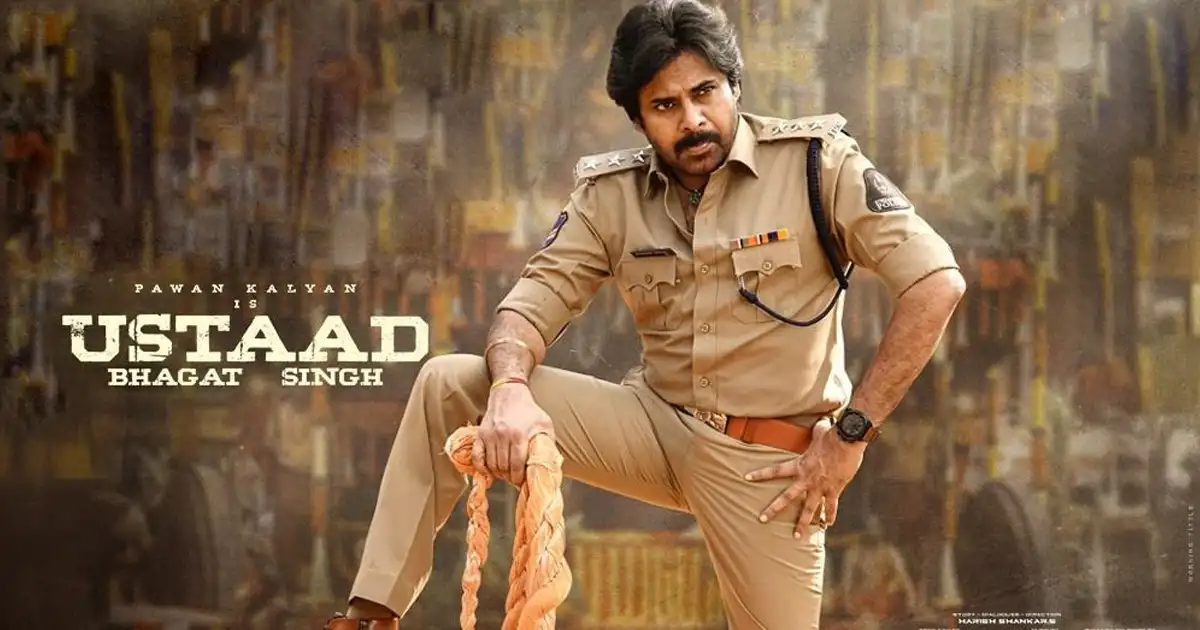
Ustaad Bhagat Singh Review: A Mixed Bag for Pawan Kalyan Fans?
The anticipation surrounding a Pawan Kalyan film is always palpable, but when it marks the reunion with director Harish Shankar, the excitement reaches a fever pitch. Their last collaboration, 2012’s Gabbar Singh, wasn't just a blockbuster; it was a cultural phenomenon that redefined commercial entertainment for Pawan Kalyan and solidified Harish Shankar’s directorial prowess. After more than a decade, the duo, joined by producers Mythri Movie Makers, finally unveiled their latest venture, Ustaad Bhagat Singh, to the eagerly awaiting audience. Plagued by production delays since its 2020 announcement, primarily due to the global pandemic and Pawan Kalyan's significant political commitments, the film has finally arrived. The crucial question on everyone's mind: does Ustad Bhagat Singh Review stand up to the monumental legacy of its predecessor, or is it merely a flicker in the Power Star's illustrious career?
The Highly Anticipated Reunion: A Look Back and Forward
For many, Gabbar Singh wasn't just a movie; it was an experience. It resonated deeply with fans and general moviegoers alike, delivering an electrifying blend of action, comedy, and Pawan Kalyan's unique charisma. The film showcased the actor at his absolute best, with Harish Shankar meticulously crafting a narrative that played perfectly to his strengths. Naturally, the announcement of their reunion in 2020 sent ripples of excitement through the Telugu film industry. This wasn't merely another film; it was a promise of a return to a specific brand of high-octane entertainment that only this combination seemed capable of delivering.
However, the journey to the big screen for Ustaad Bhagat Singh was far from smooth. Various external factors, including the unprecedented challenges posed by COVID-19 and Pawan Kalyan’s deep dive into his political commitments, meant the project was in different stages of development and production for years. This extended hiatus only served to build immense pressure and expectation. Fans meticulously followed every update, every leaked photo, hoping for another memorable cinematic experience. With Mythri Movie Makers, known for their grand productions, backing the project, the stage was set for a spectacle. But did this long wait culminate in another resounding success, or did the weight of expectations prove too heavy to bear?
For a deeper dive into the journey of this high-profile project, you might find Ustaad Bhagat Singh: Pawan Kalyan's Return with Harish Shankar Examined a fascinating read.
Unpacking the Narrative: What's the Story of Ustaad Bhagat Singh?
At its core, Ustaad Bhagat Singh attempts to weave a tale of noble intent and fierce justice, wrapped in a commercial entertainer's packaging. The story introduces us to a compassionate teacher, portrayed by the veteran K. S. Ravikumar, who dedicates his life to the welfare of children in the tribal regions of united Andhra Pradesh. Here, he encounters a bright, courageous tribal boy who is quick-witted and possesses an inherent sense of justice. Recognizing his potential, the teacher christens him ‘Ustaad Bhagat Singh’ and meticulously guides him towards education and a strong social conscience.
This young boy, eventually known simply as Bhagat, grows up to become a principled police officer, committed to upholding the law and fighting against malevolent forces. His mentor, the noble teacher, in a parallel arc, ascends to the powerful position of Chief Minister. The narrative takes a sharp turn when this very Chief Minister becomes the target of a sinister assassination plot. This event propels Bhagat into a high-stakes battle, challenging his honesty and integrity at every turn. He must unravel the conspiracy, protect his mentor, and confront the architects of the plot, primarily the formidable and corrupt politician Chadala Marri Nalla Nagappa, played chillingly by R. Parthiban, and his equally unscrupulous sons.
Amidst this intense conflict, the film introduces romantic subplots involving Geetha (Sreeleela), a spirited Radio Jockey (RJ) with whom Bhagat shares a connection, and Shloka (Raashii Khanna), whose role and connection to Bhagat gradually unfold. The film then delves into how Bhagat navigates these personal and professional challenges, fighting against the deeply entrenched corruption of Nagappa and his network. The narrative aims for a blend of social message, emotional depth, and thrilling action sequences. To understand the intricate layers of the plot and character motivations, refer to Decoding Ustaad Bhagat Singh: Plot, Performances & Story Deep Dive.
Performances and Character Portrayals: The Heart of the Film
When it comes to a Pawan Kalyan film, his performance is undoubtedly the central pillar. In Ustaad Bhagat Singh, the actor's look and styling have been widely praised, arguably among his best in recent years, lending him a fresh and dynamic appearance. He impresses with his dance moves in a few songs, reminds audiences of his classic comedy timing in certain sequences, and delivers a poignant performance in an emotional pre-climax scene. As expected, he excels in the high-octane confrontation sequences, playing to the galleries with his signature style and powerful screen presence. For fans, these moments are likely to be the highlights, providing the quintessential Pawan Kalyan experience they eagerly await, especially after his recent blockbuster OG.
The supporting cast also delivers strong performances. Senior director and actor R. Parthiban truly shines as the antagonist, Chadala Marri Nalla Nagappa. His portrayal of the crooked politician is menacing and convincing, making him a formidable foe for Bhagat. Another veteran, K. S. Ravikumar, in a pivotal role as Bhagat's teacher and later the Chief Minister, delivers a dignified and impactful performance, a departure from his more frequent comedic roles. His gravitas adds significant weight to the narrative's emotional core. While the reference context is brief on Sreeleela and Raashii Khanna, their roles as Geetha and Shloka respectively, are crucial for adding layers to Bhagat’s personal life and providing romantic relief amidst the intense action. Their screen presence and chemistry with Pawan Kalyan contribute to the film's overall appeal, though the depth of their characters might be perceived as standard for mass entertainers.
Technical Aspects and Music: The Backbone of the Spectacle
In commercial Telugu cinema, the technical departments often play as significant a role as the lead actors in crafting an immersive experience. For Ustaad Bhagat Singh, the expectations from the music department were particularly high, given Pawan Kalyan’s history of blockbuster albums. Devi Sri Prasad (DSP), a frequent collaborator, was tasked with the songs. While not every track might hit the "chartbuster" mark of previous collaborations, the album does feature some catchy tunes that resonate with the film’s energy and provide opportunities for Pawan Kalyan’s dance numbers. Complementing this, Thaman's background score lives up to his reputation, delivering a thumping, adrenaline-pumping experience that elevates the action sequences and intensifies dramatic moments. His ability to create a high-impact aural landscape is a definite asset to the film.
Ayanaka Bose's cinematography is another highlight, capturing the scale of the production with grand visuals and expertly framing the action. The film's aesthetic is polished, contributing significantly to its overall commercial appeal. Karthika Srinivas's editing ensures a decent pace, keeping the narrative flowing, especially in the action-heavy sequences. However, some critics might point to occasional lags or a slightly uneven tempo in the non-action segments, which is often a challenge in balancing commercial elements with a coherent story. Overall, the technical team has largely delivered on the promise of a big-budget spectacle, creating a visually and audibly engaging experience for the audience.
Conclusion: A Verdict on Ustaad Bhagat Singh
After a thorough analysis, the Ustad Bhagat Singh Review indeed points to a mixed bag. On one hand, it delivers all the quintessential elements expected from a Pawan Kalyan-Harish Shankar collaboration: high-octane action, signature dialogue delivery, fan-pleasing moments, and a powerful performance from the Power Star himself. Pawan Kalyan's refreshed look, energetic dance, and undeniable screen presence are sure to be a treat for his ardent fans. The strong performances from R. Parthiban and K. S. Ravikumar also add significant value, grounding the dramatic conflict.
However, the film's "mixed bag" status likely stems from its narrative originality and consistency. While the core premise of a principled officer fighting corruption is timeless, the execution might feel familiar to seasoned moviegoers. The pacing, though generally good, could have been tighter in certain segments. Despite these points, the film undeniably serves its primary purpose: to entertain Pawan Kalyan's massive fan base. It's a celebration of his persona, packed with moments designed to elicit cheers and applause. For those seeking a pure mass entertainer and a cinematic reunion that brings back fond memories of Gabbar Singh, Ustaad Bhagat Singh offers a satisfying experience, albeit one that may not break new ground for the genre. Ultimately, it’s a film that Power Star fans will likely embrace, while others might approach it with slightly tempered expectations.